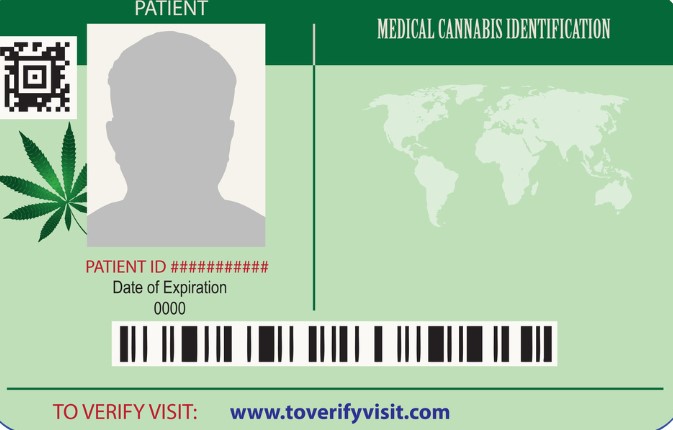
After years of researching and writing about medical cannabis, I am still amazed whenever I read a post or watch a video describing how difficult it is to obtain a medical cannabis card. It seems to me that getting a card is the easiest part of the medical cannabis journey for the vast majority of patients.
States with medical cannabis programs require patients to get cards that act as licenses allowing them to purchase, possess, and use cannabis medicines. The reasoning is straightforward: card systems allow the states to limit legal access only to those patients with legitimate need. In theory, it prevents abuse.
Most of the states I have researched make getting a card as easy as possible in order not to limit access. Although I do not use medical cannabis myself, I have had to apply for other types of licenses. Application processes are generally no big deal. For the medical cannabis user, the real struggle begins once he has his card in hand.
How Cards Are Obtained
Each of the medical cannabis states has created its own system for managing cards and applications. Utah’s system is pretty typical. A Utah resident who believes he might benefit from medical cannabis starts the process by creating an account in the state’s electronic verification system (EVS).
With an account established, he then completes his portion of the application. He follows up by visiting a medical provider with the authority to recommend cannabis. That provider completes their part of the application. Finally, the applicant pays the fee and submits the completed application. The medical cannabis card arrives electronically a few days later.
The process really is simple. But even if patients struggle, they can turn to organizations like BeehiveMed. BeehiveMed operates at locations in both Salt Lake City and Brigham City. They work with new patients to help them obtain their cards.
What Happens After Getting a Card
It is fair to say that getting a medical cannabis card requires at least some effort. It’s not a tremendous amount, mind you, but it is still effort, nonetheless. What happens after getting a card is the real challenge for so many patients.
Medical cannabis cards are not prescriptions. To my knowledge, only a small number of the more than three-dozen states with legal medical cannabis have programs requiring something that looks like a prescription. But the vast majority of states do not require medical providers to supply patients with concrete instructions about dosage, frequency, and delivery.
Instead, a patient goes to the medical cannabis pharmacy with some general recommendations. He might consult with a pharmacist before making that first purchase. Then, over the course of several weeks or months, the patient tries different products to see what works best. He also experiments with different dosages and frequencies. With any luck, he lands on the right product, dosage, and frequency in short order.
It’s Called a Journey for a Reason
Using medical cannabis is often referred to as a journey. Such references are not random. It can take time and effort to figure out how to best use medical cannabis for maximum symptom relief. And along the way, things can change. What worked for a patient a year ago might not work today.
Even though getting a medical cannabis card requires effort, it is often the easiest part of the journey. Patients tend to invest more time and effort in figuring out how to use medical cannabis effectively. Doing so is by no means straightforward. On the other hand, obtaining and renewing a medical cannabis card is.

